
One Real Story From Life
Recently, during a job interview, I was asked, “How do you see facilities impacting the student experience in a university setting?” As I paused to answer, a vivid memory from a previous place of employment came to mind—a story that reminded me that everyone on the team can make a huge difference, no matter their title, and I knew it was the perfect opportunity to share it.
It was freshman move‑in day on campus, and for the most part, things were going smoothly. Cars lined the curb, carts rattled over sidewalks, and the lobby buzzed with equal parts nerves and excitement as students carried boxes and pillows into a new chapter of life.
In the middle of that good kind of chaos, one situation took a different turn. A mother grew increasingly disappointed with the residence hall room where her daughter would be living for the next year. It wasn’t what she had pictured, and the more she talked with the director and assistant director, the more frustrated she became. They listened, explained, and did their best to reassure her, but nothing they said seemed to make a difference.
While the conversation continued, her freshman daughter sat by herself in the lobby—shoulders slumped, eyes down, clearly discouraged. This day was supposed to feel like a beginning, but in that moment it felt heavy and uncomfortable.
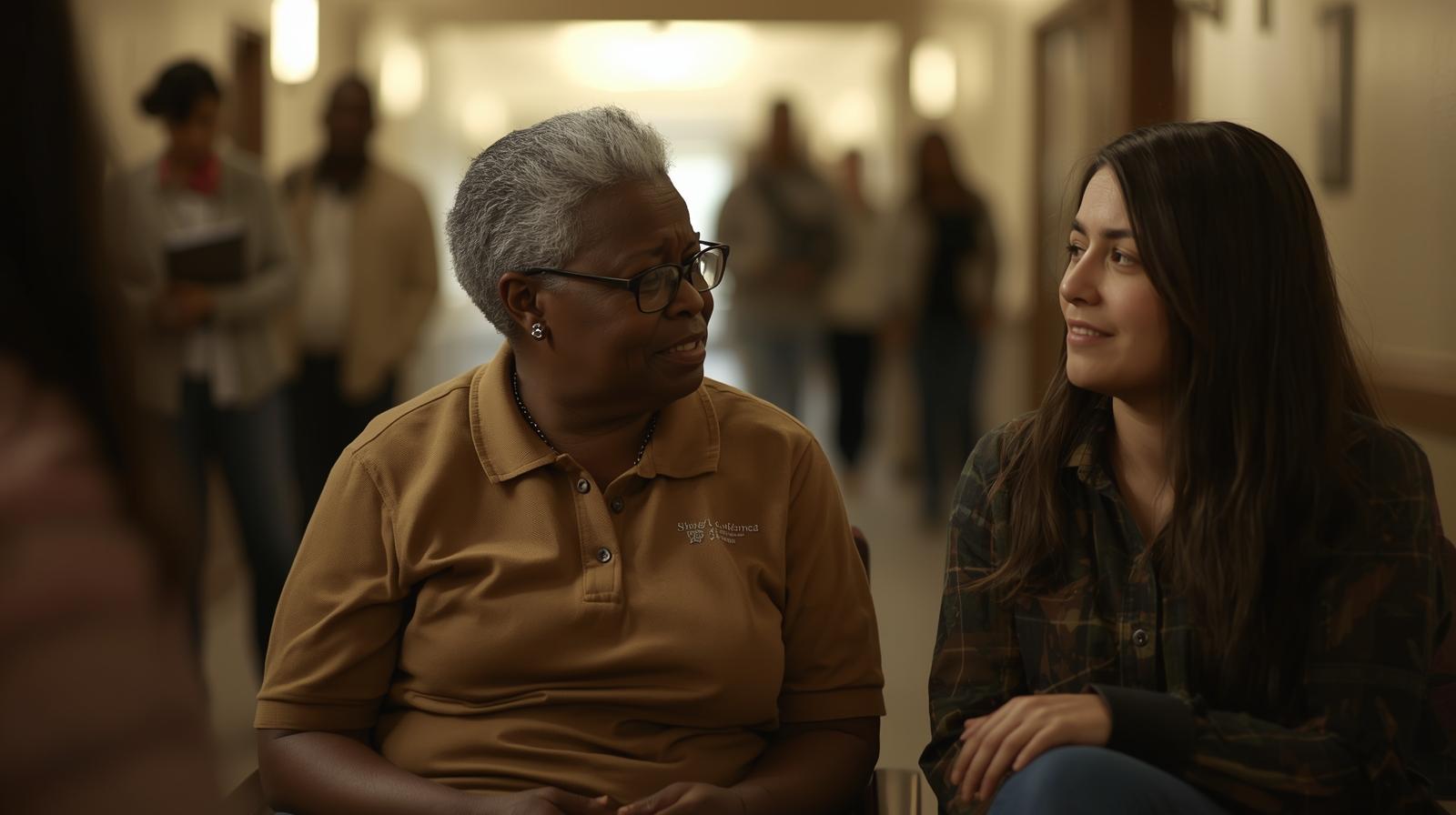
Our custodian, Ms. Mary, noticed.
Ms. Mary didn’t have a title that showed up on brochures. She wasn’t leading the welcome program or making any room assignments. She was simply there to do what she did faithfully all year: care for the building and the people who lived in it. When she saw that young woman sitting alone, she walked over and sat near her.
In a quiet voice, she told her that she would be there every day, that she would help take care of the space she was now calling “home,” and that things would be alright. She didn’t offer a policy change or a long speech—just calm, steady reassurance from someone who planned to show up for her all year long.
The next morning, Ms. Mary arrived at work and found a potted plant on her table with a handwritten note. It was from the mother. She thanked Ms. Mary for being kind to her daughter and for the care and concern she had shown in a moment when they both needed it.
What the director and assistant director couldn’t accomplish with their positions, the custodian was able to accomplish with simple, sincere presence.
As I finished sharing that story in the interview, I could see it connect. Heads were nodding, faces softened, and I could tell that Ms. Mary’s quiet, faithful impact made the idea of “facilities” feel a lot less like a building and a lot more like people.
One Key Principle From God’s Word
That move‑in day is a living picture of how God measures greatness. We tend to assume the most important person in the room is the one with the highest title, the biggest office, or the loudest voice—but in God’s eyes, greatness is measured by the way we serve.
Matthew 23:11 says, “But he that is greatest among you shall be your servant.” Ms. Mary didn’t have the authority to reassign rooms or rewrite policies, but she had something just as important: a heart willing to see and serve the person everyone else was unintentionally overlooking.
Philippians 2:4 says, “Look not every man on his own things, but every man also on the things of others.” Ms. Mary could have stayed locked into her checklist and walked past that lobby chair. Instead, she lifted her eyes, noticed someone who was hurting, and stepped toward her.
In a world that often chases influence, platforms, and recognition, God keeps drawing our attention back to something quieter and deeper: being faithful where we are, seeing the people in front of us, and letting His love shape the way we show up in ordinary moments.
A Few Honest Reflections and One Simple Step
When I think back on Ms. Mary, that potted plant, and the way her story landed in that interview room, a few reflections stand out:
- The most powerful person in the room isn’t always the one with the highest title. The director and assistant director were doing their jobs, and their roles mattered. But the deepest impact that day came from a custodian who sat down and cared. That reminds me not to underestimate the influence of the “hidden” roles around me.
- People remember how you made them feel more than what you explained. Years from now, that family may not recall the details of the housing conversation, but they will remember the woman who noticed their daughter’s shoulders slumped and spoke calm into a hard day. My leadership—at work, at church, and at home—will be measured more by the tone of my presence than the polish of my explanations.
- What you do every day matters more than what’s printed on your name badge. Ms. Mary’s job description focused on a building, but the way she showed up turned ordinary tasks into moments that shaped someone’s first year away from home. It’s a reminder that attitude, attention, and care often carry more weight than position or platform.
To build hearts, homes, and leaders right where you are this week, try this simple step:
Look for one person on the edges of the room and move toward them.
Maybe it’s a quiet student, a new coworker, a church guest, or even someone in your own home who seems withdrawn. Instead of assuming they’re fine, take a moment to sit near them, ask a gentle question, or offer a simple word of encouragement.
You may not be able to change their circumstances, but you can offer something just as important: the reminder that they are seen, valued, and not alone. And sometimes, what titles and explanations can’t quite reach, quiet kindness can.
Leave a Reply